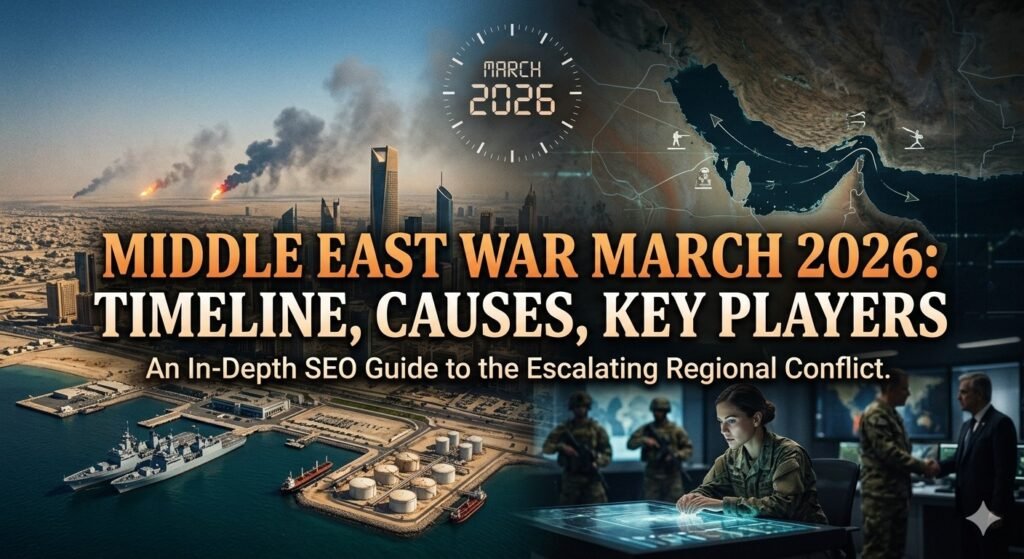
Middle East War March 2026: A Definitive Guide to the Conflict
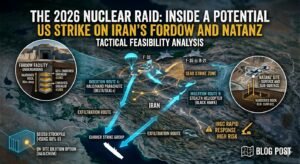
The geopolitical landscape of the world changed forever on February 28; 2026; when a massive military campaign known as Operation Epic Fury was launched by the United States and Israel. This intervention targeted the Iranian regime’s nuclear infrastructure and leadership; leading to a rapid and violent escalation across the entire region. By mid-March 2026; the Middle East has entered a state of total war; with ripples felt in every global market from oil to advanced technology.
The Timeline of Escalation
The conflict did not emerge in a vacuum. After the Twelve-Day War of 2025; tensions remained at a boiling point. The following timeline outlines the critical events of the current month:
- February 28; 2026: Initial joint strikes by U.S. and Israeli forces target Tehran. Supreme Leader Ali Khamenei is killed in the first wave; leading to immediate chaos within the Iranian assembly.
- March 2; 2026: Iranian drones strike the Ras Laffan energy facilities in Qatar; causing an immediate spike in global LNG prices.
- March 11; 2026: Iran effectively closes the Strait of Hormuz; deploying naval mines and water-borne IEDs to halt 20% of the world’s oil supply.
- March 17; 2026: The conflict spreads to Lebanon; with Israeli strikes hitting central Beirut while Hezbollah increases rocket fire into northern Israel.
Key Players and Their Objectives
Understanding the Middle East war March 2026 requires identifying the primary actors. The U.S. and Israel have stated their goal is to prevent a nuclear breakout and degrade the IRGC’s ability to repress its own citizens. Conversely; the new Iranian leadership under Mojtaba Khamenei is fighting for survival; utilizing a strategy of horizontal escalation to make the war too costly for the West to continue. Regional powers like Saudi Arabia and the UAE find themselves in the crosshairs; defending against retaliatory strikes while trying to protect their ambitious Vision 2030 infrastructure projects.
Global Economic Consequences
The closure of the Strait of Hormuz has created the most significant energy shock since 2022. Beyond oil; the market for helium—essential for semiconductors and medical imaging—is in crisis. Humanitarian organizations warn that if the war persists; over 45 million people could face extreme hunger due to broken supply chains and surging flour prices. As we move deeper into March 2026; the international community remains divided on whether to pursue a ceasefire or support a full-scale regime change in Tehran.