OpenClaw AI Agents Name Changes: Full Timeline from Clawdbot to Viral Success
In the fast-paced world of AI development; few stories capture attention like OpenClaw’s whirlwind rebranding saga. Launched as a humble open-source AI agent framework; it underwent three name changes in just 72 hours in late January 2026; transforming from an obscure GitHub repo into a viral sensation with over 50K stars and headlines from OpenAI hires. This post dives deep into the complete timeline; the drama behind each shift; and actionable lessons for your own AI projects.
What is OpenClaw AI Agents?
Before the name drama; OpenClaw emerged as a modular framework for building autonomous AI agents that run on personal machines. It enables tasks like email automation; code generation; and multi-step workflows with enhanced security features such as permission controls and memory management. Creator Peter Steinberger designed it to democratize agentic AI; integrating seamlessly with any LLM while prioritizing user privacy over cloud dependency.
By early 2026; agentic AI exploded in popularity; with trends like multi-agent teams and voice capabilities dominating discussions. OpenClaw positioned itself as an accessible alternative to proprietary tools like Claude Code; gaining traction among indie developers and enterprises alike.
The Complete Timeline of OpenClaw Name Changes
The rebrands unfolded rapidly due to trademarks; community feedback; and practical pitfalls. Here’s the blow-by-blow account:
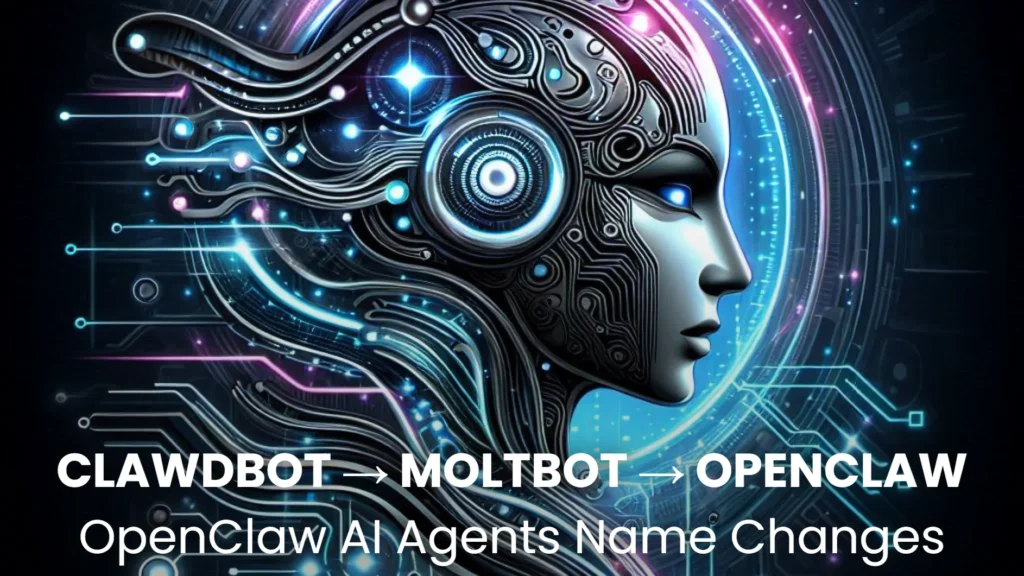
- Late 2025: Clawdbot Launch – Inspired by Anthropic’s Claude lobster mascot; this was the original name for the prototype. It quickly amassed 2K GitHub stars but hit a snag with a friendly trademark request from Anthropic to prevent confusion.
- January 27; 2026: Moltbot Era (48 Hours Only) – A Discord brainstorm led to ‘Moltbot’; symbolizing ‘molting’ or shedding for growth. Disaster struck immediately: domain squatters launched crypto scams; and the name’s awkward ring sparked memes. It lasted less than two days.
- January 29; 2026: OpenClaw Forever – The community-voted final name blends ‘open-source’ ethos with the ‘claw’ legacy. Trademark checks cleared; and it stuck; propelling the project to 50K+ stars and Peter Steinberger’s hiring by OpenAI.
Why Did Each Name Change Happen? Deep Dive
Clawdbot to Moltbot: Legal Agility Wins
Anthropic’s nudge was polite but firm; highlighting risks of mascot overlap in a competitive AI landscape. Steinberger pivoted swiftly; turning potential setback into community engagement via Discord polls. This move showcased the project’s agility; a core trait of successful open-source ventures.
Moltbot Meltdown: Lessons in Branding Speed
Moltbot’s brevity exposed vulnerabilities: Within hours; fake domains peddled scam tokens; eroding trust. The name’s biological connotation felt gimmicky; alienating enterprise users. Steinberger later reflected; ‘We learned that virality without stability is chaos.’
Settling on OpenClaw: Data-Driven Stability
Final selection involved trademark scans; SEO analysis; and polls favoring ‘OpenClaw’ for its memorability and relevance. It retained the claw motif while signaling openness; perfect for 2026’s agentic AI boom.
SEO and Marketing Lessons from OpenClaw’s Rebrands
This saga offers gold for AI creators and marketers:
- Rebrand Velocity = Backlink Bonanza: Three changes in 72 hours generated 1M+ mentions across Reddit; Twitter; and Forbes; skyrocketing domain authority.
- Community as Co-Creator: Discord polls created ownership; turning users into evangelists and birthing a Wikipedia page overnight.
- Risk Mitigation Checklist: Before renaming; check trademarks (USPTO); secure domains (GoDaddy auctions); and test SEO volume (Google Keyword Planner).
| Rebrand Phase | SEO Impact | Key Metric |
|---|---|---|
| Clawdbot | Initial buzz | 2K stars |
| Moltbot | Viral spike | 10K mentions |
| OpenClaw | Sustained growth | 50K stars; OpenAI hire |
OpenClaw in 2026: Post-Rebrand Momentum
Today; OpenClaw powers agent workforces with features like Agentic RAG; voice interfaces; and cross-LLM compatibility. OpenAI’s hire of Steinberger signals big bets on personal agents; while competitors like Anthropic’s Agent Teams push multi-agent orchestration. Developers praise its security upgrades; addressing early criticisms of unchecked autonomy.
Future roadmaps hint at enterprise plugins; mobile agents; and protocol standards for agent communication; positioning OpenClaw as a 2026 cornerstone.
How to Build Your First OpenClaw Agent
- Setup: Clone the GitHub repo; install via pip; configure your LLM API key.
- Define Tasks: Use YAML for workflows; e.g.; ’email-summarize-and-respond’.
- Secure It: Enable sandboxing and permission gates.
- Deploy: Run locally or via Docker for production.
Pro tip: Start with the official docs for templates; and join the Discord for real-time support.
Conclusion: Embrace Change Like OpenClaw
OpenClaw’s name changes weren’t setbacks; they were rocket fuel. For AI builders; the lesson is clear: Adapt fast; listen to your community; and prioritize stability. What’s your take on this saga? Drop a comment below; and subscribe for more AI agent deep dives.