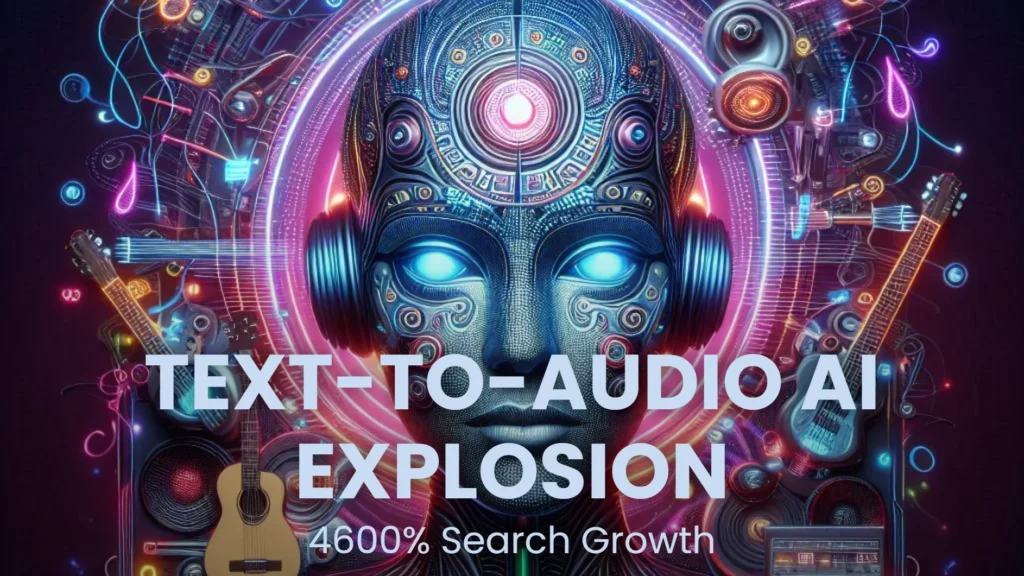
Text-to-Audio AI Explosion: 4600% Search Growth
In 2026; a new wave of AI-powered voice generation tools is redefining how creators produce audiobooks; podcasts; and multilingual storytelling experiences. The demand for text-to-audio AI has grown an astonishing 4600% in the past year; driven by advances in natural language processing; emotion mapping; and real-time rendering of humanlike voices. This technology has opened new frontiers for content creators; especially independent authors and multimedia producers who previously needed expensive studio setups and voice talent.
What Is Text-to-Audio AI?
Text-to-audio AI refers to generative models that convert written text into lifelike speech. Tools such as Lyria 3; ElevenLabs; and OpenAI’s Voice Engine use large-scale training data to capture voice tone; rhythm; and emotion; producing results that sound indistinguishable from real human narrators. These systems are transforming digital audio by removing the boundaries between writing and performance.
Why the Surge in Popularity?
- Multilingual capability: Creators can instantly translate and generate speech in Tamil; Spanish; or Japanese; preserving accent and authenticity.
- Accessibility boost: Text-to-speech tools make web; ebook; and app content available to the visually impaired and language learners.
- Cost efficiency: An audiobook that once required weeks of studio time can now be generated in minutes using high-fidelity AI voices.
- Emotion synthesis: AI can interpret emotional tone from context; creating dynamic acting without manual tuning.
The Role of AI in Indie Publishing
Self-published authors; particularly those in genres like historical or Tamil romance; are leveraging text-to-audio AI to expand their reach. Instead of outsourcing narration; many now input their manuscripts into models like Lyria 3; apply post-processing through tools like Adobe Podcast; and generate professional-quality audiobooks. This levels the playing field between independent and mainstream publishers; allowing authors to release audio editions simultaneously with ebooks.
Top Text-to-Audio Tools in 2026
- Lyria 3 by Stability Audio: Known for expressive storytelling voices; optimized for long-form narrative generation.
- ElevenLabs Studio: Offers multilingual emotion synthesis and custom voice cloning for brand consistency.
- OpenAI Voice Engine: Integrates smoothly with ChatGPT-based content pipelines; allowing script-to-voice automation.
- Google SynthVoice: Built into Android creative suites; ideal for quick narration of multilingual mobile content.
Applications Beyond Audiobooks
While the initial demand stems from audiobooks; text-to-audio AI also powers podcasts; short stories; and video voiceovers. YouTube creators convert scripts straight into engaging narration with zero microphone equipment. Podcasters mix generated and recorded audio for creative formats like AI dialogues or dramatized storytelling. Multilingual teachers use these systems to voice interactive lessons; accelerating comprehension and cultural immersion.
Challenges and Ethics
Despite rapid adoption; text-to-audio AI also brings ethical debates. Voice cloning can be abused if models replicate real voices without consent. To counter misuse; most providers now require explicit voice rights verification and watermark each generated audio file. Another question involves authenticity — as AI voices become mainstream; how do listeners value human nuance? The consensus: authenticity remains in human creativity; not necessarily the medium of expression.
How Creators Can Get Started
To join the text-to-audio movement; creators can start with free or freemium tools before scaling up:
- Sign up for platforms like Lyria 3 or ElevenLabs.
- Prepare clean text scripts; removing excessive formatting for better speech rendering.
- Experiment with multiple voices; languages; and pacing options.
- Use audio mastering apps or DAWs for mixing background music or sound effects.
- Publish on platforms like Spotify; YouTube; or audiobook distributors such as Findaway Voices and ACX.
The Future of AI Narration
By 2027; experts predict that 50% of all audiobooks will contain at least some AI-generated narration. As tools evolve to capture accents; dialects; and expressive breathing; creators will blend AI narrators with human editors for hybrid productions. The real breakthrough lies in personalization: listeners may soon choose a favorite AI narrator voice just as they follow a beloved author.
Conclusion
The explosion of text-to-audio AI reflects more than a technological trend—it represents a democratization of auditory storytelling. From Tamil romance authors producing emotional audiobooks without voice actors to educators building accessible lessons; this revolution is only beginning. As we move deeper into 2026; one truth stands clear: the voice of AI is reshaping how stories are told; heard; and shared around the world.