Sabotaging the Threat: The Role of Special Forces in Missile Arsenal Disruption
The strategic environment is increasingly defined by the proliferation of sophisticated ballistic and cruise missile systems. For nations facing an adversarial missile threat; traditional defense mechanisms like anti-missile batteries; while essential; may not be sufficient. A proactive; offensive strategy often involves targeting the threat at its source: the production facilities; storage depots; and launch platforms that constitute the enemy’s missile arsenal. This is where special operations forces (SOF) play a critical role. Their unique capabilities for clandestine infiltration; precision sabotage; and intelligence gathering offer a potent tool for disrupting and degrading an adversary’s missile capabilities before they can be effectively employed.
The Strategic Rationale: Why Target Missile Arsenals?
Disrupting a missile arsenal serves several key strategic objectives. First; it directly reduces the number of missiles available for deployment; thereby mitigating the immediate threat to high-value targets. Second; by striking production facilities; it hinders the adversary’s ability to replenish their stock; creating a long-term degradation of their capabilities. Third; successful sabotage operations can sow confusion and mistrust within the enemy’s military and scientific establishment; undermining their command and control. Most importantly; it sends a clear and powerful signal of resolve; potentially deterring future aggression.
- Degrade retaliatory capabilities: Limits the enemy’s ability to strike back after an initial engagement.
- Shift the balance of power: Creates a tactical advantage by weakening a primary component of the adversary’s offensive capability.
- Economic cost: Rebuilding missile infrastructure is expensive and time-consuming.
- Psychological impact: Demonstrates the vulnerability of even the most protected assets.
The Role of US Special Forces: Precision and Clandestine Operations
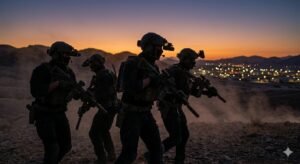
US special operations forces; including units like the Army’s Delta Force and the Navy’s SEAL Teams; are uniquely suited for these high-risk missions. Their training emphasizes precision; stealth; and the ability to operate deep within hostile territory. A typical operation might begin with extensive intelligence gathering; utilizing satellite imagery; human intelligence (HUMINT); and signals intelligence (SIGINT) to identify the precise locations of key production nodes; storage bunkers; or mobile launcher routes. Once a target is identified and validated; a carefully planned insertion begins.
Infiltration and Sabotage Techniques
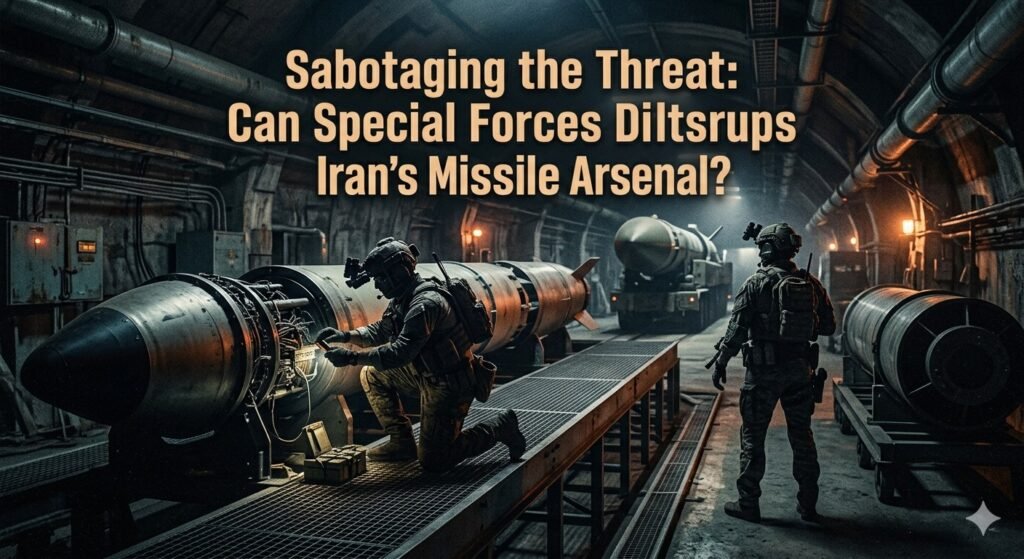
Infiltration methods are diverse and tailored to the specific environment. Ground teams might use specialized high-altitude; low-opening (HALO) parachute jumps for covert insertion; or utilize small; high-speed watercraft for coastal approaches. In some scenarios; teams might infiltrate overland; using specialized vehicles or moving on foot. Once on site; their focus shifts to sabotage. This might involve planting specialized explosives designed to create maximum destruction with minimal footprint; or introducing sophisticated malware into the industrial control systems that manage the production lines. The goal is not always total destruction; sometimes; a subtle disruption that introduces defects into the guidance systems or propulsion units can be even more effective; creating a weapon that will fail at the critical moment.
Exfiltration and Intelligence Gathering
Sabotage is only one part of the mission. SOF teams are also tasked with gathering intelligence. This might involve exfiltrating key documents; digital data; or even physical components that can provide vital insights into the adversary’s missile program. This intelligence can then be used to develop countermeasures; improve missile defense systems; and inform future operations. The exfiltration process is often as complex and dangerous as the infiltration; requiring careful planning and a coordinated effort to extract the team safely. Often; these missions are enabled by prior air campaigns; which can degrade the enemy’s air defense systems and create opportunities for insertion.
Challenges: Fortified Bunkers and Specialized Excavation
The operational environment for these missions is rarely straightforward. Adversaries often place their most critical assets deep underground; within fortified bunkers. These hardened facilities are designed to withstand significant air strikes; making them a formidable challenge for even the best-equipped special operations teams. Getting inside require not only elite commando skills but also a logistical nightmare. It may involve the clandestine transport of specialized excavation gear; heavy cutting equipment; and massive amounts of sophisticated explosives. The sheer weight and bulk of this equipment can complicate infiltration; making the mission significantly longer and increasing the risk of detection.
Conclusion: A High-Stakes Game of Cat and Mouse
Disrupting an adversary’s missile arsenal through special operations is a high-stakes; high-reward endeavor. It requires a flawless integration of intelligence; planning; and execution. Success can have a profound impact on the strategic balance; while failure can lead to severe political and military consequences. As missile technology continues to evolve; the role of special operations forces in countering this threat will become increasingly important; demanding continuous adaptation and innovation in both tactics and technology. This is a clandestine war fought in the shadows; where a single team; a single piece of intelligence; or a single well-placed explosive can change the course of history.