
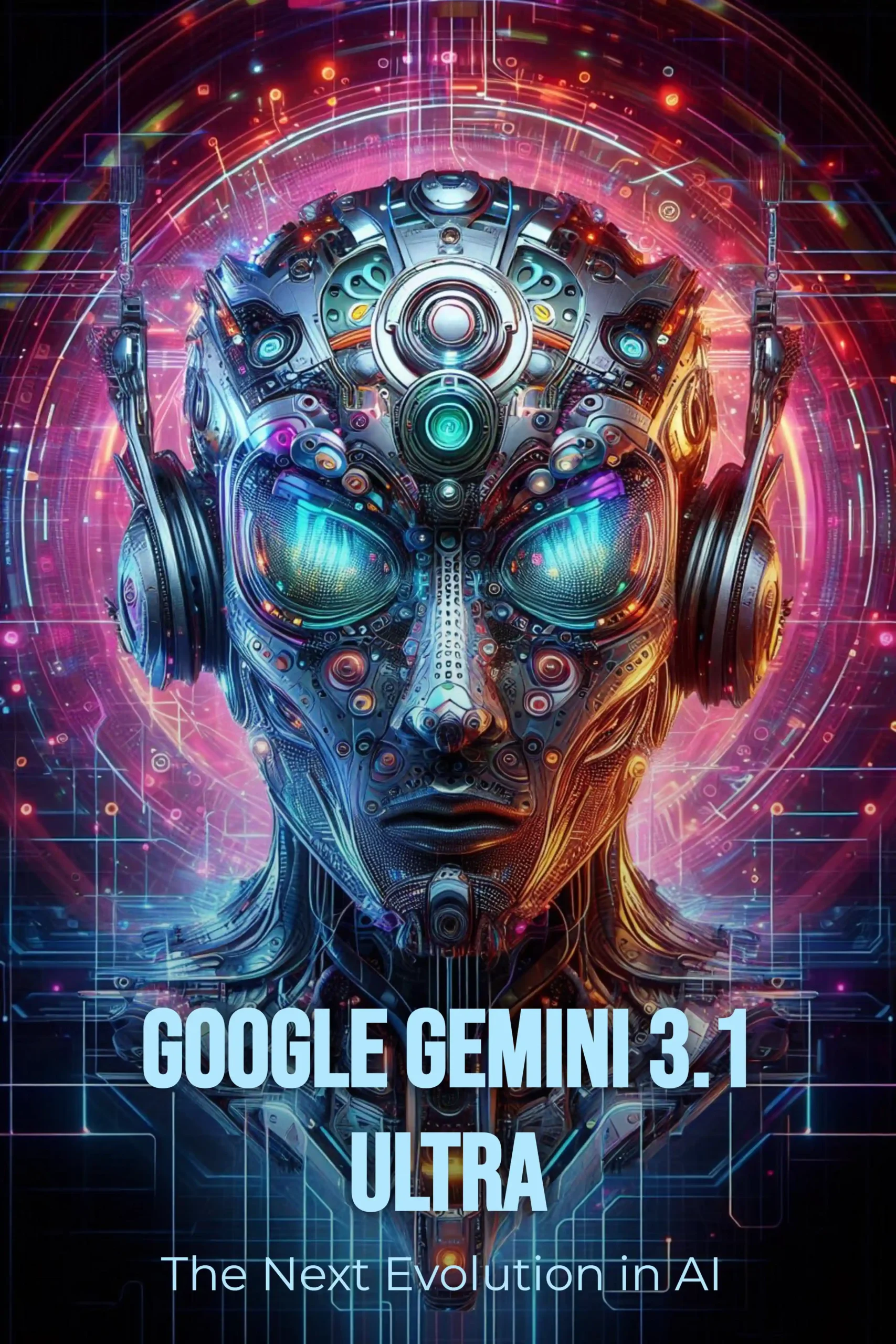
Introduction to Google Gemini 3.1 Ultra
Google Gemini 3.1 Ultra represents a monumental leap forward in artificial intelligence, blending multimodal understanding with unprecedented reasoning capabilities. This advanced model integrates text, images, audio, video, and code seamlessly, enabling it to solve complex problems across diverse domains. Unlike its predecessors, Gemini 3.1 Ultra excels in contextual understanding, offering nuanced responses that mimic human-like thought processes. Its architecture leverages cutting-edge transformer models and reinforcement learning from human feedback (RLHF) to ensure accuracy and ethical alignment.
Key Features and Real-World Applications
Key features include real-time data analysis, creative content generation, and advanced problem-solving in fields like medicine, engineering, and education. The model’s efficiency in processing massive datasets makes it ideal for scientific research, while its natural language interface democratizes access to AI for non-experts. Google has also emphasized safety and bias reduction, implementing robust guardrails to prevent misuse. In competitive benchmarks, Gemini 3.1 Ultra outperforms GPT-4 and Claude 3 in reasoning tasks, mathematics, and multilingual translation.
Ecosystem Integration and Future Impact
Its integration with Google’s ecosystem—Search, Workspace, Cloud—unlocks new possibilities for productivity and innovation. However, challenges remain, including computational costs and environmental impact. This comprehensive guide delves into the model’s architecture, applications, limitations, and future roadmap, providing a balanced view of its potential to reshape industries. Whether you’re a developer, researcher, or enthusiast, understanding Gemini 3.1 Ultra is key to navigating the next wave of AI transformation.


Reviews
There are no reviews yet.